Clinical Documentation

Automation (Coming Soon)

Clinical Decision Support (Coming Soon)

Patient Engagement

Use Cases

CARE-E Advantage

Security & Compliance

Elevating Clinical Documentation with CARE-E

What Is Clinical Documentation?

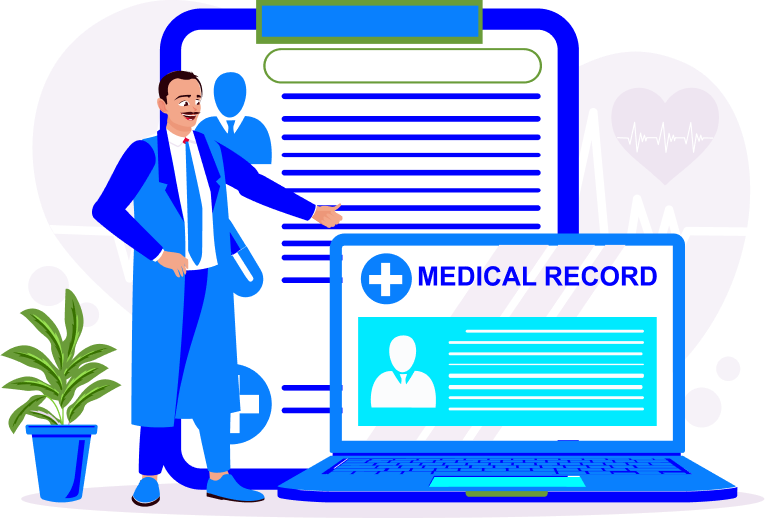
Clinical documentation is the foundation of patient care, capturing key details including diagnoses, treatment plans, and progress notes in the medical record. Accurate documentation ensures clear communication among care teams, supports proper coding and billing, and helps maintain compliance with healthcare regulations.

The Role of Clinical Documentation Improvement (CDI)

Accurate and complete documentation is essential for delivering quality patient care, ensuring proper coding, and meeting compliance standards. Clinical Documentation Improvement (CDI) helps streamline this process by identifying missing details, improving accuracy, and reducing the time spent on paperwork.
By enhancing documentation, CDI supports better communication among care teams, reduces administrative burden, and ensures that records reflect the full scope of patient care. As healthcare evolves, CDI plays a critical role in improving efficiency, reducing errors, and optimizing reimbursement—allowing clinicians to focus more on their patients and less on paperwork.
Challenges in Clinical Documentation
Healthcare providers face significant documentation challenges, including:
  • Heavy administrative workload – that takes time away from patient care.
  • Complex compliance and regulatory requirements – that demand precision.
  • Accurate coding demands – to ensure proper reimbursement.

Even with EHRs streamlining some processes, clinicians often feel overwhelmed by documentation tasks, adding to burnout and reducing time for direct patient interaction.

How CARE-E Revolutionizes Clinical Documentation

Enhanced Accuracy and Completeness:

CARE-E identifies gaps in clinical documentation and suggests improvements to ensure comprehensive records that meet compliance and coding standards.

Real-Time Assistance:

During patient encounters, CARE-E captures relevant details to document specific conditions, procedures, or comorbidities, reducing the need for retrospective corrections.

Coding Support:

CARE-E’s AI-driven algorithms automatically map clinical details to the correct ICD-10 codes, ensuring precise coding for accurate reimbursement and reducing administrative burden.

Audit Readiness:

By ensuring thorough documentation, CARE-E minimizes the risk of unfavorable audit outcomes and associated penalties, safeguarding healthcare organizations against compliance risks.
Key Benefits of CARE-E in CDI Programs

Streamlined Workflows:

CARE-E reduces administrative burdens by automating repetitive tasks, such as data entry and documentation review.

Improved Financial Performance:

Accurate documentation and coding ensure proper reimbursement, optimizing revenue cycles for both inpatient and outpatient settings.

Enhanced Patient Care:

Complete and clear documentation improves communication among care teams, leading to better continuity of care and patient outcomes.

Regulatory Compliance:

CARE-E aligns documentation practices with evolving payer requirements and federal regulations, reducing the risk of errors and compliance breaches.

Improved Patient Satisfaction:

Clear, comprehensive documentation leads to better patient communication and transparency, ensuring patients feel informed and confident in their care.

Adaptability Across Settings:

From hospitals to outpatient clinics, CARE-E adapts to diverse healthcare environments, providing tailored CDI support to meet specific organizational and specialty needs.
Real-World Impact: A Case Study
A patient visits their primary care physician for persistent fatigue and shortness of breath. During the encounter, the physician documents the symptoms and conducts a thorough review, uncovering uncontrolled hypertension (ICD-10: I10) and suspected Type 2 diabetes mellitus (ICD-10: E11.9) based on recent lab results. Using AI-driven Clinical Documentation Improvement (CDI) tools, the system prompts the physician to include detailed notes, suggests relevant ICD-10 codes, and links conditions to appropriate orders, such as a hemoglobin A1c test and a cardiology referral. The AI ensures accurate documentation of the primary complaint (fatigue, ICD-10: R53.83), identifies comorbidities, and streamlines the generation of a comprehensive encounter summary, treatment plan, and patient orders. This process enhances coding accuracy for billing, supports quality reporting, and improves continuity of care by addressing the patient’s full spectrum of health needs.
Empowering Providers and CDI Specialists

CARE-E enhances clinical documentation by equipping clinical care teams with the latest documentation technologies for greater accuracy and efficiency. CARE-E helps:

  • Bridge the gap between clinical care and accurate coding.
  • Reduce claim denials and the need for resubmissions.
  • Support quality initiatives, including MACROs/MIPS and other Quality Measures Social Determinants of Health (SDOH) reporting.

With a comprehensive suite of capabilities, CARE-E enables providers to focus more on patient care while ensuring documentation meets regulatory and quality standards.

Unlock the Power of Clinical Decision Support (CDS) with CARE-E (Coming Soon)

What is Clinical Decision Support ?

Clinical Decision Support (CDS) is a transformative health IT component designed to enhance clinical decision-making during patient encounters by delivering knowledge and person-specific information, intelligently filtered and presented at the right time within clinical workflows. By seamlessly integrating into electronic health record (EHR) systems, CDS tools empower clinicians, staff, and patients with actionable insights to improve diagnostic accuracy, treatment plans, and care coordination. These tools can provide alerts for potential drug interactions, recommend evidence-based guidelines, assist with diagnostic coding, and identify gaps in care, ensuring that decisions are informed by the latest clinical evidence and tailored to the patient’s unique health profile.

CDS encompasses a wide range of tools, including:

  • Condition-specific order sets and clinical guidelines to support evidence-based care.
  • Smart triage prompts based on real-time patient data.
  • Concise patient data summaries and reports for better decision-making.
  • Diagnostic support and relevant clinical references at the point of care.
  • Automated alerts and reminders for clinicians and patients.

At CARE-E, we leverage AI and machine learning to elevate these tools, offering cutting-edge solutions that empower clinicians to make faster, smarter, and safer decisions.

How CARE-E Enhances Clinical Decision Support
CARE-E integrates seamlessly with existing EHRs, to intelligently filter and present relevant clinical data at the right moment. By delivering real-time insights and reducing information overload, CARE-E ensures that clinicians have the critical support they need to make informed decisions quickly and efficiently.

How CARE-E Supports Smarter Clinical Decisions

Real-time alerts & notifications:

Stay informed about potential adverse events and drug interactions.

Evidence-based recommendations:

Access clinical and standard of care guidelines tailored to each patient’s specific needs.

Comprehensive patient overviews:

Integrate data from multiple systems for a complete view of patient health.

Regulatory Compliance Support:

Receive timely, data-driven guidance for diagnosis, treatment, and follow-up care.
Enhance Patient Safety with CDS
CDS improves patient safety and care quality by delivering precise, real-time insights. It helps reduce errors, prevent adverse events, and support informed clinical decisions. With CDS, providers can:

Leverage Tailored Decision Support

By seamlessly integrating proprietary or third-party validated decision support tools into clinical workflows to enhance precision and efficiency.

Improve diagnostic accuracy

With a broader, data-driven perspective on patient health.

Prevent medication errors

By flagging potential drug interactions or contraindications.
Why Choose CARE-E for CDS?

CARE-E’s clinical decision support tools improve clinical efficiency and decision-making by:

  • Delivering real-time, data-driven insights to enhance patient care and reduce diagnostic errors.
  • Providing evidence-based recommendations for more informed diagnoses, treatments, and medication management.
  • Integrating proprietary or third-party clinically validated CDS solutions directly into workflows for customized decision support.
  • Identifying gaps in care based on direct patient feedback to ensure more comprehensive treatment planning.
By integrating AI-driven CDS tools into clinical workflows, CARE-E helps clinicians process complex medical information efficiently. It combines biomedical knowledge, patient-specific data, and advanced inference mechanisms to support accurate, timely decision-making—leading to better patient outcomes and improved provider and patient satisfaction.
Transform Healthcare Operations with Robotic Process Automation (RPA) (Coming Soon)

What is RPA?

Robotic Process Automation (RPA) is a technology that automates repetitive administrative and clinical tasks, reducing manual work for healthcare providers. It streamlines processes like patient scheduling, claims processing, prior authorizations, and updating EHRs in real time. By minimizing manual data entry and improving accuracy, RPA helps healthcare teams work more efficiently, reducing errors and administrative burdens.

How CARE-E Implements RPA

CARE-E leverages RPA to automate time-consuming tasks, allowing clinicians to focus more on patient care. It streamlines workflows by handling documentation, validating coding for compliance, and triggering alerts for incomplete or inconsistent information. By integrating seamlessly with EHRs and other healthcare systems, CARE-E reduces errors, accelerates processes, and improves overall efficiency—helping clinicians spend less time on paperwork and more time with patients.

Why RPA for Healthcare?

Fast Implementation

RPA can be deployed in weeks, providing immediate efficiency gains without the long timelines of traditional IT systems.

Scalable & Adaptive

Easily adjusts to evolving healthcare demands, seamlessly expanding as your organization grows.

Increased Efficiency

Automates repetitive administrative tasks, reducing workload and freeing up staff to focus on patient care.

Automating Repetitive Tasks

CARE-E’s RPA capabilities streamline manual processes by capturing, interpreting, and managing data while seamlessly integrating with other systems. Tasks that CARE-E can automate include:
  • Logging into systems and applications – Automates credential entry and system access to save time.
  • Managing files and organizing folders – Streamlines document storage and retrieval.
  • Extracting, copying, and inputting data – Reduces manual entry errors and speeds up workflows.
  • Filling out forms automatically – Ensures accuracy and consistency in documentation.
  • Connecting to APIs and updating databases – Enables seamless data exchange across platforms.
  • Prior Authorization Processing – Submits and tracks authorization requests to reduce delays.
  • Claims Processing & Billing – Automates claim suggestions and tracking to prevent denials.
  • Patient Scheduling & Reminders – Manages appointments, confirmations, and follow-up reminders.
  • Insurance Eligibility Verification – Validates patient insurance details in real time.
  • Data Reconciliation & Reporting – Compiles and organizes data for financial, compliance, and operational reporting.
  • Lab & Test Result Management – Extracts and updates lab results in EHRs for provider access.
  • EHR Data Entry & Updates – Automates patient record updates to reduce documentation workload.
By automating these time-consuming tasks, CARE-E reduces administrative burden, minimizes errors, accelerates workflows, and improves overall efficiency in healthcare operations—allowing clinicians to focus more on patient care.

Real-World Applications and Use Cases

CARE-E’s RPA solutions have transformed operations in diverse healthcare scenarios, including:

Patient Intake Management:

Automating the collection and entry of patient demographics, insurance information, and consent forms reduces wait times and ensures data accuracy.

Medical Billing Coding

CARE-E streamlines the insurance claim submission process by recommending ICD-10 codes based on the patient encounter.

Appointment Scheduling:

Automating appointment reminders and rescheduling processes minimizes no-shows and optimizes clinical schedules.

Billing and Revenue Cycle Operations:

RPA ensures seamless data entry and reconciliation across billing systems, reducing errors and enhancing financial outcomes.

Regulatory Compliance Reporting:

Automating data aggregation and reporting processes ensures timely submissions and reduces the burden of audits.

Automated Marketing Campaigns:

Intelligently send communications to patients, such as scheduling visits and taking eligible health surveys.
By addressing these operational challenges, CARE-E’s RPA solutions empower healthcare organizations to focus on delivering high-quality patient care while ensuring administrative excellence.

Measurable Impact with RPA

Integrating RPA into your healthcare operations with CARE-E delivers:

Increased Efficiency

Automating repetitive tasks frees clinicians to focus on patient care.

Higher Employee Satisfaction

Reducing tedious administrative work improves employee satisfaction and productivity.

Greater ROI

Scalable, adaptable automation solutions provide value without disrupting existing systems.
Experience how CARE-E’s AI-driven RPA solutions can refine your healthcare operations. Let us help you implement intelligent automation for a more efficient and effective healthcare environment.
Enhance Patient Engagement with CARE-E

Seamless Communication Across Channels

Modern healthcare demands communication strategies that meet patients where they are, on their terms. CARE-E’s omni-channel communication approach ensures that every touchpoint is optimized for patient convenience and accessibility. Whether it’s through text messages, emails, phone calls, or patient portals, CARE-E delivers information and updates in the formats patients prefer, improving satisfaction and engagement.

Automating Patient Interactions

CARE-E leverages intelligent automation to simplify and enhance critical patient activities, including:

Scheduling

Automate appointment reminders, confirmations, and rescheduling processes, reducing no-shows and optimizing clinic schedules.

Assessments

Deliver pre-visit questionnaires and post-care surveys tailored to each patient’s needs, ensuring better insights and outcomes.

Enrollments

Simplify the onboarding process for care programs, ensuring patients receive the resources they need with minimal administrative effort.
By automating these processes, CARE-E ensures accuracy, reduces staff workload, and creates a seamless experience for patients.

Maximizing Patient Adherence and Participation

Patient engagement goes beyond communication—it’s about fostering adherence to care plans and encouraging active participation. CARE-E achieves this through:

Personalization

Tailoring communications and reminders based on patient preferences and medical history.

Real-Time Insights

Empowering providers with data- driven recommendations to address patient needs effectively.

Consistent Follow-Up

Ensuring patients stay connected with their care team through timely updates and check-ins.
This holistic approach improves health outcomes while enhancing the patient’s role in their own care journey.
Real-World Applications and Use Cases
CARE-E’s patient engagement capabilities have transformed healthcare practices across various scenarios:

Chronic Disease Management (Coming Soon)

  • Challenge: Keeping patients with chronic conditions engaged in their care plans.
  • Solution: CARE-E automates reminders for medication, routine check-ups, and lifestyle assessments, ensuring adherence to care plans.
  • Outcome: Improved patient compliance and better long-term health outcomes.

Preventive Care Campaigns

  • Challenge: Encouraging patients to participate in preventive screenings and vaccinations.
  • Solution: CARE-E delivers personalized communication campaigns via preferred channels, promoting awareness and scheduling services efficiently.
  • Outcome: Increased patient participation and earlier detection of potential health issues.

Post-Discharge Follow-Up

  • Challenge: Reducing hospital readmissions by ensuring proper follow-up care.
  • Solution: CARE-E sends automated follow-up instructions, monitors patient recovery progress, and schedules post-discharge appointments.
  • Outcome: Reduced readmission rates and enhanced patient satisfaction.

Patient Satisfaction and Quality Metrics

  • Challenge: Optimizing the collection of surveys and assessments beyond scheduled appointments to enhance compliance with the Medicare Access and CHIP Reauthorization Act (MACRA) and the Merit-based Incentive Payment System (MIPS), maximizing reimbursement and care quality.
  • Solution: CARE-E automates outreach across the most accessible communication channel for the patient.
  • Outcome: Providing a greater chance of data capture without the need for phone calls or subsequent visits, increasing quality metrics and ultimately additional revenue for providers.
The CARE-E Advantage
Integrating CARE-E into your patient engagement strategy delivers impactful results:

Improved Patient Satisfaction

Personalized, timely communication strengthens the provider-patient relationship.

Streamlined Workflows

Automation frees up clinicians and staff, allowing them to focus on delivering quality care.
Scroll to Top